Landscaping FAQs: 30 Questions Tulsa Homeowners Should Ask Before Hiring a Landscaping Contractor
Everything Outdoors of Tulsa | Landscaping Design, Installation, and Outdoor Living in Tulsa, Oklahoma
A beautiful landscape does more than improve the appearance of your home. The right landscaping can create inviting outdoor living areas, improve drainage, enhance curb appeal, provide privacy, and make your backyard a more enjoyable place to spend time with family and friends.
However, planning a landscaping project often raises important questions. How much should landscaping cost? When is the best time to plant trees and shrubs in Oklahoma? Should you install sod or seed your lawn? How can you correct drainage problems? What should you look for when choosing a landscaping contractor in Tulsa?
At Everything Outdoors of Tulsa, we understand that homeowners want more than attractive landscaping. They want a well-planned project, thoughtful design recommendations, dependable communication, quality installation, and outdoor improvements that make sense for their property and budget.
We provide landscaping and outdoor living services for homeowners in Tulsa, Owasso, Jenks, Bixby, Broken Arrow, Sapulpa, Claremore, and surrounding Northeast Oklahoma communities.
This comprehensive landscaping FAQ guide answers 30 common questions to help you plan your next outdoor improvement project with confidence.
Landscaping Design and Planning FAQs
1. What should I look for when hiring a landscaping contractor in Tulsa, Oklahoma?
When hiring a landscaping contractor in Tulsa, look for a company that understands local growing conditions, listens to your goals, explains the proposed work clearly, and has experience with projects similar to yours.
A qualified contractor should be able to discuss plant selection, drainage, grading, hardscaping materials, installation requirements, and the long-term maintenance needs of your landscape.
Before choosing a company, consider asking:
- What landscaping services do you provide?
- Can you show examples of completed projects?
- How will you develop the design for my property?
- Will I receive a written estimate?
- What materials and plants are included in the price?
- How will changes to the project be handled?
- What is the expected project schedule?
- Who should I contact if I have questions during installation?
Online reviews can also provide useful insight into a contractor’s communication, professionalism, reliability, cleanup practices, and ability to complete projects as discussed.
The best landscaping contractor for your home is one who understands your priorities and can translate them into a practical, attractive outdoor design.
2. How much does professional landscaping cost in Tulsa?
The cost of professional landscaping in Tulsa depends on the size of the project, the condition of the existing yard, the materials selected, labor requirements, and the complexity of the design.
A simple flower bed renovation will generally cost less than a complete landscape transformation involving grading, drainage improvements, mature trees, stonework, irrigation, sod, and outdoor living features.
Common factors that influence landscaping costs include:
- Property size and accessibility.
- Removal of existing plants, trees, or landscaping materials.
- Soil preparation and grading.
- Drainage corrections.
- Plant size, quantity, and variety.
- Mulch, decorative rock, and landscape edging.
- Patios, pavers, retaining walls, and other hardscaping.
- Landscape lighting and irrigation.
- Sod installation and lawn preparation.
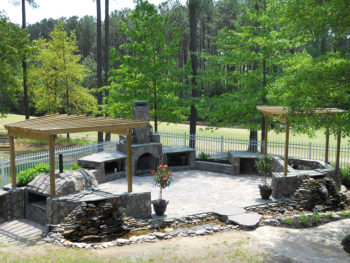
- Outdoor kitchens, fireplaces, pergolas, and other living areas.
One of the best ways to manage your budget is to establish your priorities before construction begins. You may decide to complete the front landscaping first and add backyard features later.
A detailed written estimate helps you understand what is included and compare proposals based on the actual scope of work rather than price alone.
3. Do I need a landscape design before installation begins?
A landscape design is especially valuable when a project involves several different elements or requires a coordinated plan.
For example, a backyard with a patio, planting beds, outdoor lighting, drainage improvements, and a fire pit needs more planning than a simple addition of a few shrubs.
A thoughtful design considers how the entire property will work together. It can address plant placement, mature plant sizes, walking paths, sightlines, color, texture, sunlight, drainage, and the relationship between your house and outdoor living areas.
Designing before installing also helps homeowners identify changes while they are still relatively easy to make on paper rather than after materials have been installed.
For smaller projects, a formal design may not always be necessary. The appropriate level of planning depends on the property’s needs and the project’s complexity.
4. Can landscaping contractors show me what my yard will look like before installation?
Depending on the project and the contractor’s design process, homeowners may be able to review a landscape plan, sketches, reference photographs, or digital renderings before installation.
These tools help you visualize proposed planting beds, patios, retaining walls, outdoor kitchens, walkways, and other features.
A design preview is useful for discussing plant placement, material colors, bed shapes, and the overall layout before committing to the final plan.
Keep in mind that renderings are planning tools, not guarantees that every plant will look exactly the same after installation. Plants grow, lighting changes throughout the day, and natural materials can vary in appearance.
When planning a landscaping project, ask what design materials will be provided and whether revisions are included in the proposal.
5. How can I landscape my yard without exceeding my budget?
The best approach is to establish a realistic budget and prioritize improvements according to their importance.
Start with the issues that affect the property’s function, such as standing water, unsafe slopes, deteriorating walkways, or poor lawn conditions. Next, consider the improvements that will have the greatest visual impact.
Budget-conscious landscaping strategies include:
- Retaining healthy existing trees and shrubs when practical.
- Renovating overgrown flower beds instead of replacing everything.
- Using fewer plant varieties in coordinated groupings.
- Choosing plants suited to local conditions.
- Installing the project in planned phases.
- Comparing material options before making final selections.
- Avoiding unnecessary changes after installation begins.
A phased landscape plan can help you create a cohesive design while spreading expenses over time.
For example, you might install the main patio and correct drainage in the first phase, add planting beds in the second phase, and finish with landscape lighting and additional outdoor living features later.
The important thing is to plan the entire vision early, even if you complete it in stages.
Planting, Flower Beds, and Lawn Care FAQs
6. What plants grow well in Tulsa, Oklahoma?
Tulsa’s climate brings hot summers, variable rainfall, occasional drought, winter freezes, and changing soil conditions. Choosing plants suited to these conditions can make a landscape more resilient and easier to maintain.
Depending on the property’s sun exposure, soil, drainage, and available space, homeowners may consider:
- Oklahoma redbud for seasonal spring color.
- Eastern red cedar for appropriate evergreen screening locations.
- Serviceberry for ornamental interest.
- Panicle hydrangeas for suitable planting locations.
- Coneflowers and black-eyed Susans for colorful perennial beds.
- Ornamental grasses for texture and movement.
- Native and regionally adapted plants for selected landscape applications.
These are examples, not universal recommendations. Some plants require more water, shade, pruning, or soil preparation than others.
A successful plant selection plan considers mature size, root systems, sunlight, water requirements, winter hardiness, and proximity to foundations, utilities, and paved areas.
Local conditions matter. A plant that performs well in a sunny, well-drained front yard may struggle in a shaded backyard with heavy clay soil.
7. When is the best time to plant trees, shrubs, and flowers in Oklahoma?
The best planting time depends on the type of plant, weather conditions, and whether adequate watering is available.
Spring and fall are often favorable seasons for planting many trees and shrubs in Oklahoma because temperatures may be more moderate than during the hottest part of summer.
Fall planting can allow some trees and shrubs to establish roots before the following summer. Spring planting also works well for many species when plants receive appropriate care.
Warm-season flowers, cool-season flowers, and different types of ornamental plants have their own preferred planting windows.
Extreme heat, drought, frozen ground, and saturated soil can complicate installation.
A landscaping contractor can help coordinate planting schedules with the plant varieties selected and the property’s conditions.
8. How do I design beautiful front flower beds?
Front flower beds should complement the architecture of your home while creating a welcoming entrance.
A good design considers the shape of the house, windows, doors, foundation height, existing trees, walkways, and the amount of sunlight each bed receives.
Several principles can improve the result:
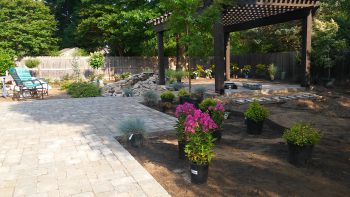
Use layered planting. Lower plants can frame the front edge, medium-height shrubs can provide structure, and carefully positioned taller plants can create focal points.
Choose complementary colors. A consistent color palette often creates a more polished appearance than using too many competing colors.
Plan for mature plant size. Shrubs that look appropriately spaced at installation may become crowded after several growing seasons.
Add contrasting textures. Combining broad leaves, fine ornamental grasses, evergreen foliage, and seasonal flowers creates visual interest.
Use defined bed edges. Stone edging or another suitable border can give flower beds a clean, finished appearance.
A well-designed front landscape should look attractive while leaving room for plant growth and practical maintenance.
9. How often should landscaping be updated?
There is no single schedule for landscape renovation. Some properties need only occasional improvements, while others benefit from more extensive updates as plants mature and homeowner needs change.
You might consider updating your landscaping when:
- Shrubs have become overgrown or crowded.
- Flower beds no longer complement the house.
- Plants repeatedly struggle in their locations.
- Drainage problems damage lawns or planting areas.
- Trees or shrubs obstruct walkways or windows.
- Mulch, edging, or decorative rock needs replacement.
- Your outdoor living needs have changed.
Many homeowners also choose to improve their landscaping when purchasing a new home, remodeling the exterior, installing a pool, or preparing a property for sale.
Regular maintenance and selective improvements can help avoid the need for a complete renovation.
10. Should I install sod or plant grass seed?
Sod and grass seed can both establish a lawn, but they differ in installation time, establishment, cost, and maintenance.
Sod provides an immediate green appearance when installed correctly. It generally requires careful soil preparation, good contact between roots and soil, and consistent watering while it establishes.
Grass seed generally costs less initially for materials, but establishment takes longer and depends on proper timing, soil preparation, moisture, and protection from erosion or disturbance.
In the Tulsa area, the right choice also depends on the grass species. Bermuda grass is commonly used for sunny lawns, while tall fescue is often considered for areas with more shade, although it has different summer watering needs.
A professional assessment can help determine whether sod, seeding, or renovating the existing lawn is the best option.
11. Why is my lawn uneven, thin, or full of bare spots?
Uneven or thinning lawns can have several causes, and the right solution depends on identifying the underlying problem.
Potential causes include compacted soil, poor drainage, inadequate sunlight, pests, disease, improper mowing, insufficient irrigation, excessive shade, or unsuitable grass varieties.
Uneven ground may also result from settlement, erosion, construction activity, or changes in how water moves across the property.
Simply laying new sod over an unresolved problem may produce disappointing results.
A better approach is to assess soil conditions, grading, water availability, sunlight, and the existing grass before deciding whether to aerate, amend the soil, regrade, reseed, or install new sod.
12. How can I make my landscaping look good throughout the year?
Year-round landscape interest comes from combining plants and materials that provide different forms of visual appeal throughout the seasons.
Evergreen plants can provide structure during winter. Flowering trees and shrubs offer spring color. Perennials and ornamental grasses can add summer texture and fall interest. Stone, decorative edging, patios, and walkways contribute structure even when plants are dormant.
When planning a landscape, consider how it will look in every season rather than choosing plants solely because they are blooming at the time of installation.
Also consider the amount of maintenance required. A landscape that looks attractive in spring should remain practical and manageable during the heat of an Oklahoma summer.
Drainage, Grading, and Property Problems
13. What should I do if my yard has standing water after rain?
Standing water may indicate poor grading, compacted soil, low areas, inadequate drainage capacity, or water flowing onto the property from elsewhere.
The first step is to determine where the water originates and why it remains.
Depending on the site, possible solutions may include regrading, correcting downspout discharge, installing a suitable drainage system, improving soil conditions, or creating an appropriate outlet for collected water.
Not every property requires a French drain, and installing a drain without identifying a suitable discharge location may not solve the problem.
Water should be directed away from foundations and neighboring properties in a manner consistent with applicable requirements.
Persistent standing water deserves attention because it can damage turf, harm plants, attract mosquitoes, and contribute to erosion or foundation-related concerns.
14. How much does yard drainage installation cost?
Yard drainage costs depend on the size of the affected area, the severity of the problem, soil conditions, excavation requirements, the type of drainage system, and where water can legally and practically discharge.
A small grading correction may be relatively straightforward. A property requiring extensive excavation, multiple collection points, buried piping, catch basins, or substantial restoration can be more involved.
Before approving a drainage project, ask the contractor to explain:
- What is causing the water problem?
- What work is proposed to correct it?
- Where will the collected water go?
- Will landscaping or irrigation need to be restored?
- Are there underground utilities or other site restrictions?
- What maintenance will the system require?
A drainage solution should address the source of the problem whenever possible rather than simply moving water from one inconvenient location to another.
15. Can landscaping improve drainage without making my yard unattractive?
Yes. Drainage improvements can often be integrated into a landscape design.
Depending on the property, solutions may include subtle grading changes, decorative rock drainage areas, appropriately designed planting beds, swales, or drainage systems hidden beneath the finished landscape.
The right approach balances water management with appearance, access, and maintenance.
However, decorative features alone cannot compensate for every drainage problem. Where substantial water movement is involved, grading and drainage design must come first.
The goal is to create an outdoor space that works properly and looks intentional.
16. Do retaining walls help with sloped yards?
Retaining walls can help manage certain slopes, create level planting areas, define outdoor living spaces, and improve the usability of a sloped property.
They can also provide visual structure and support landscaping features such as steps, patios, and garden beds.
The design must account for soil pressure, water drainage, wall height, foundation conditions, materials, and applicable building requirements.
Drainage behind a retaining wall is particularly important because trapped water can increase pressure against the wall.
Depending on the wall and site, engineering or permits may be required. Larger or structurally significant retaining walls should be evaluated by appropriately qualified professionals.
Hardscaping and Outdoor Living FAQs
17. What is hardscaping, and how does it improve a property?
Hardscaping refers to the nonliving structural elements of a landscape. These features provide usable surfaces, define spaces, improve access, and complement plants and lawn areas.
Common hardscaping projects include:
- Paver patios.
- Stone walkways.
- Decorative landscape edging.
- Retaining walls.
- Outdoor kitchens.
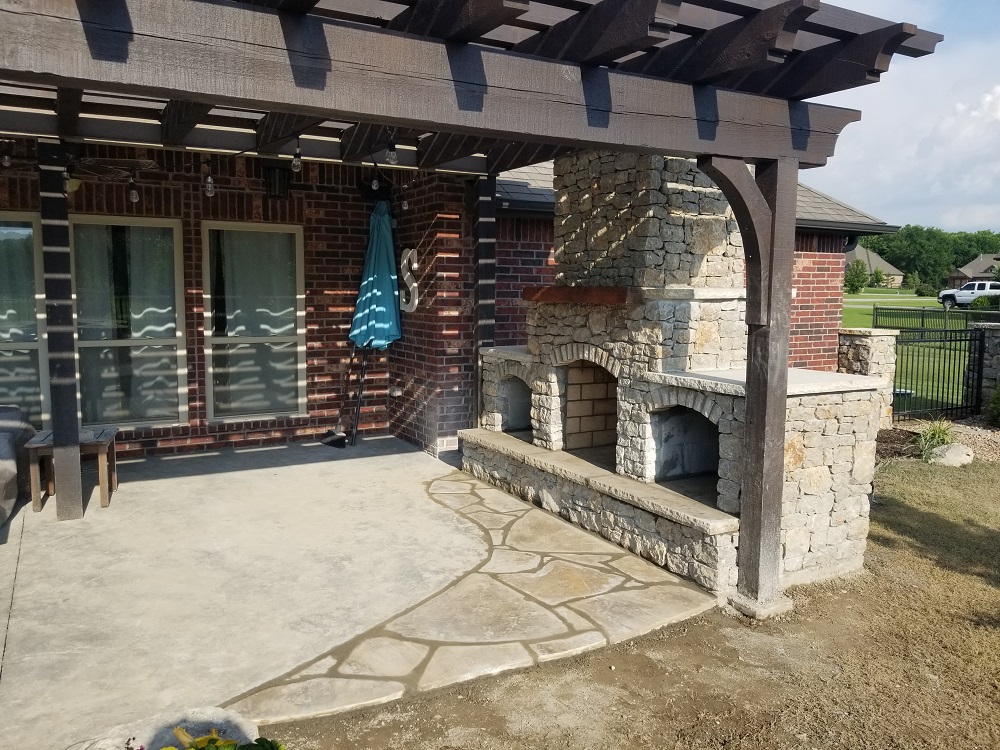
- Fire pits and outdoor fireplaces.
- Steps and other landscape transitions.
- Selected decorative rock installations.
Hardscaping can turn an underused backyard into an outdoor living area for dining, entertaining, relaxing, or spending time with family.
A successful design considers traffic flow, drainage, material durability, maintenance, and how each feature relates to the house.
18. What is the best patio material for an Oklahoma home?
The best patio material depends on your budget, design preferences, intended use, site conditions, and maintenance expectations.
Concrete pavers offer many shapes, colors, and patterns. They can be suitable for a range of outdoor living designs when installed over an appropriate base.
Poured concrete can provide a clean, versatile surface and may be finished in several ways. Proper preparation and jointing are important, and concrete can crack.
Natural stone offers distinctive textures and color variations that can complement traditional or naturalistic landscapes.
Decorative gravel can work well in selected applications, particularly informal seating areas or paths, but it may require more frequent leveling and maintenance.
Material selection should also account for surface temperatures, slip resistance, furniture placement, drainage, and the transition between the patio and the home.
19. Is an outdoor kitchen worth adding to my backyard?
An outdoor kitchen can make a backyard more functional by creating a dedicated area for cooking, dining, and entertaining.
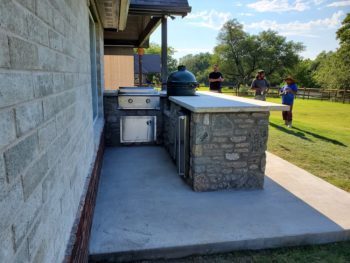
Depending on the design, it may include a grill, countertop space, storage, a refrigerator, a sink, lighting, and seating areas.
Before building an outdoor kitchen, consider its location relative to the house, prevailing winds, shade, utilities, drainage, and nearby combustible materials.
You should also think about how frequently you will use the kitchen and which features are essential.
A smaller, well-planned outdoor cooking area may meet your needs better than a large installation with equipment you rarely use.
Outdoor kitchens can be part of a comprehensive outdoor living plan that includes patios, pergolas, landscape lighting, fireplaces, and planting beds.
20. Should I install a fire pit or an outdoor fireplace?
Both options can create an attractive focal point, but they serve somewhat different purposes.
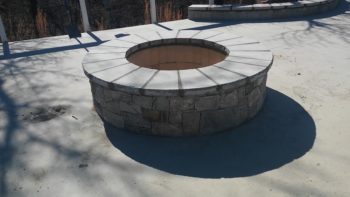
A fire pit often creates a casual gathering area where seating can be arranged around the fire. It may work well in an open patio or designated backyard entertaining space.
An outdoor fireplace can provide a more architectural focal point and help define a seating area. Its placement and orientation can influence how the entire outdoor space feels.
Your decision should account for available space, local fire rules, wind conditions, fuel type, smoke movement, seating clearance, and the manufacturer’s installation requirements.
Gas-fired features require appropriate gas installation, while wood-burning features require careful consideration of sparks, smoke, and combustible surroundings.
The best choice is the one that fits your property, intended use, and safety requirements.
21. Can landscaping create more privacy in my backyard?
Yes. Strategic landscaping can improve privacy while making the yard feel more comfortable and attractive.
Possible approaches include evergreen screening plants, layered shrubs, small ornamental trees, privacy-oriented planting beds, pergolas, and other suitable outdoor structures.
The right solution depends on the height and location of neighboring homes, property lines, sunlight, available space, and how quickly you want the screen to develop.
Remember that plants grow over time. A privacy design should account for mature height and width rather than relying only on how plants look at installation.
A layered approach can often create a more natural appearance than a single row of identical plants.
22. How does landscape lighting improve outdoor spaces?
Landscape lighting can highlight architectural details, illuminate walkways, improve visibility around steps, and create a more inviting atmosphere after sunset.
Common applications include:
- Path lighting along walkways.
- Accent lighting for trees and planting beds.
- Wall lighting around selected architectural features.
- Lighting near patios and outdoor kitchens.
- Carefully positioned lighting around steps and transitions.
A good lighting plan balances visibility with appearance. Excessive brightness or poorly aimed fixtures can create glare, disturb neighbors, and reduce the intended effect.
LED fixtures are commonly used because of their energy efficiency and range of available styles.
Lighting should be planned with the rest of the landscape so that fixtures, wiring, planting locations, and hardscaping work together.
Hiring a Landscaping Company and Managing Your Project
23. What questions should I ask before approving a landscaping estimate?
A written estimate should clearly describe the work being proposed and the major costs involved.
Before approving a landscaping estimate, confirm the project scope, materials, plant quantities, site preparation, disposal of removed materials, irrigation requirements, drainage work, and any restoration that will be necessary.
Ask whether the estimate includes design work, permits when applicable, and cleanup.
You should also clarify the expected schedule, payment terms, how unforeseen site conditions will be handled, and how changes will affect the final price.
If multiple contractors provide estimates, compare the actual scope of work. One proposal may include soil preparation, higher-quality materials, or drainage improvements that another proposal excludes.
The lowest initial price is not necessarily the lowest total cost if important work has been left out.
24. How long does a landscaping project take?
Project timelines vary significantly based on complexity, weather, materials, crew availability, and site conditions.
A small flower bed renovation may take considerably less time than a complete backyard transformation involving excavation, drainage, patios, retaining walls, irrigation, sod, and lighting.
The schedule can also depend on material delivery, inspections, utility coordination, and planting conditions.
Before work begins, ask for an estimated schedule and clarify which factors could delay completion.
Weather is particularly important in Oklahoma because heavy rain, extreme heat, and saturated soil can affect excavation, grading, concrete work, and planting.
A realistic schedule is more useful than a promise that ignores conditions beyond the contractor’s control.
25. How important is communication during a landscaping project?
Communication is essential because landscaping projects involve design choices, material selections, site conditions, scheduling, and sometimes changes after work begins.
Homeowners should know who their primary contact is and how to ask questions or discuss concerns.
Before construction starts, establish how decisions will be approved, how changes will be documented, and when updates will be provided.
If an unexpected issue arises, such as hidden drainage problems or unsuitable soil, the contractor should explain the issue and discuss available options before proceeding with additional work whenever practical.
Clear communication helps prevent misunderstandings and keeps the homeowner and installation team aligned throughout the project.
26. Should I hire one company for landscaping, drainage, sod, and lighting?
Using one company to coordinate multiple landscape improvements can simplify planning when the company has the appropriate capabilities or qualified installation partners.
For example, drainage may need to be addressed before sod is installed. Irrigation lines may need to be placed before new planting beds are completed. Lighting wiring may need to be coordinated with patio construction.
Planning these elements together can reduce the risk of having finished work disturbed to accommodate a later installation.
However, not every contractor performs every specialty in-house. Ask which services are handled directly, which require subcontractors, and who is responsible for coordinating the work.
The important consideration is whether the complete project is planned and managed effectively.
27. What should I look for in landscaping company reviews?
Online reviews can help you evaluate a landscaping company, especially when multiple customers describe similar experiences over time.
Look beyond the overall star rating and consider what people say about specific aspects of the project.
Communication: Did customers describe timely responses and clear explanations?
Design: Did the contractor listen to their preferences and provide useful recommendations?
Reliability: Did the company follow the agreed plan and communicate schedule changes?
Workmanship: Were the finished landscaping and installation details satisfactory?
Professionalism: Did the crew treat the property respectfully and clean up after the work?
Problem-solving: How did the company respond to questions, changes, or concerns?
Long-term relationships: Do customers describe using the company again for additional projects or maintenance?
Reviews are most useful when read as a whole. A single review cannot guarantee the outcome of your project, and customer experiences naturally vary.
Homeowners should also review written proposals, ask relevant questions, and determine whether the contractor’s approach is a good fit for their needs.
28. Is professional landscaping worth the investment?
Professional landscaping can improve how you use and enjoy your property while creating a more cohesive appearance.
Depending on the project, benefits may include improved curb appeal, more functional outdoor living areas, better-defined planting beds, easier access, more effective drainage, and a more manageable landscape.
The financial return varies by property, market conditions, design choices, and the quality of installation. No particular landscaping project guarantees a specific increase in resale value.
The strongest reason to invest in landscaping is often the combination of daily enjoyment, functionality, and long-term property improvement.
Planning carefully and selecting materials suited to your needs can help you get more value from the project.
Local Landscaping FAQs for Northeast Oklahoma
29. Does Everything Outdoors of Tulsa provide landscaping services in Broken Arrow, Owasso, Jenks, and Bixby?
Everything Outdoors of Tulsa serves homeowners across the Tulsa area and surrounding Northeast Oklahoma communities, including Tulsa, Owasso, Jenks, Bixby, Broken Arrow, Sapulpa, and Claremore.
Homeowners can inquire about landscaping design, landscape installation, flower beds, planting, sod, hardscaping, drainage improvements, outdoor living features, and other property improvements.
Service availability and project suitability can depend on the specific location, project size, scheduling, and the services requested.
If you live in one of these communities and are considering a landscape renovation, contact Everything Outdoors of Tulsa to discuss your property and determine the next steps.
30. How do I get started with a landscaping project in Tulsa?
Start by identifying the biggest problem you want to solve or the improvement you most want to make.
You might want to replace outdated front flower beds, improve drainage, install a new lawn, create a backyard patio, add outdoor lighting, or transform an underused space into an outdoor living area.
Next, consider your preferred style, budget, maintenance expectations, and timing.
Take photographs of the existing space and make a short list of must-have features. If you have inspiration photos, share those as well.
When you contact Everything Outdoors of Tulsa, explain what you want to accomplish and any challenges you have noticed. That information can help guide the initial discussion about design, installation, materials, and potential solutions.
A successful landscape project begins with understanding your property, setting clear priorities, and developing a plan that balances appearance, function, and budget.
Why Choose Everything Outdoors of Tulsa for Your Landscaping Project?
Your outdoor space should reflect how you want to live, relax, entertain, and enjoy your home.
Whether you are improving front-yard curb appeal, renovating flower beds, correcting drainage, installing sod, adding stone features, or creating a more complete outdoor living area, careful planning is the foundation of a successful result.
Everything Outdoors of Tulsa works with homeowners in Tulsa and surrounding Northeast Oklahoma communities to plan and improve outdoor spaces through landscaping and outdoor living services.
We encourage homeowners to consider the entire property, including how plants will mature, how water moves through the yard, how people will use patios and walkways, and how individual features will work together.
Our goal is to help homeowners make informed decisions and develop outdoor improvements that fit their property’s needs and their vision.
Ready to Improve Your Outdoor Space?
If you are searching for a landscaping contractor in Tulsa, Oklahoma, or nearby communities such as Broken Arrow, Bixby, Jenks, Owasso, Sapulpa, or Claremore, Everything Outdoors of Tulsa is ready to discuss your landscaping goals.
Whether your project involves landscape design, flower bed installation, sod, drainage, hardscaping, retaining walls, outdoor kitchens, fireplaces, fire pits, or landscape lighting, the first step is to discuss what you want to accomplish.
Contact Everything Outdoors of Tulsa to discuss your project and explore the possibilities for your property.
Ready to improve your backyard? Contact a professional patio installation contractor serving Tulsa, Owasso, Jenks, Bixby, Broken Arrow, and surrounding communities to discuss your project and create a custom outdoor living space for your Oklahoma home.
Call 918-236-9173 today to schedule a consultation!
Visit: https://www.everythingoutdoorstulsa.com/
Everything Outdoors of Tulsa — Landscaping and Outdoor Living for Tulsa and Northeast Oklahoma.
 Previous Post
 Next Post