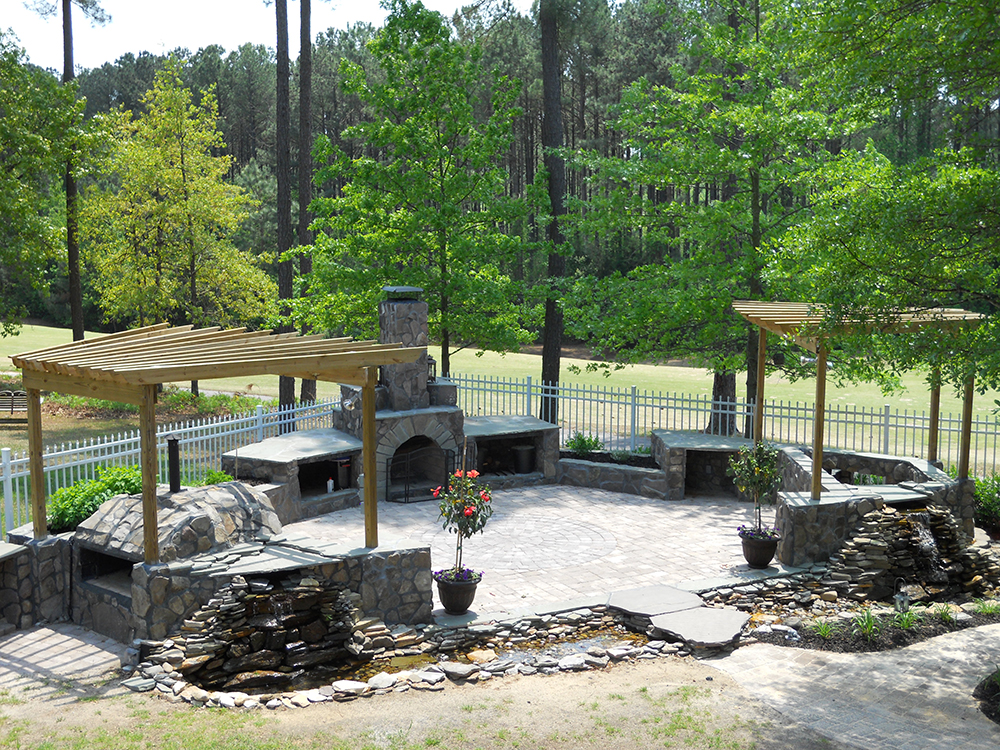
What Order Should You Complete a Landscaping Project? A Step-by-Step Guide for Tulsa Homeowners
Planning a landscaping project can be exciting, especially when you are imagining a beautiful backyard, a new paver patio, an outdoor kitchen, landscape lighting, or a complete outdoor living space. However, one of the most important decisions is knowing what order your landscaping projects should be completed in.
For homeowners in Tulsa, Oklahoma, and surrounding communities, proper project planning can help prevent unnecessary rework, avoid damaging newly installed features, and create an outdoor space where every element works together.
A common mistake is installing plants, laying sod, or building a patio before addressing drainage, grading, underground utilities, and the overall landscape design. When these steps happen in the wrong order, homeowners may face additional expenses and delays.
Everything Outdoors of Tulsa specializes in landscape design, landscape installation, hardscaping, patios, pavers, outdoor kitchens, fireplaces, retaining walls, drainage solutions, and other outdoor living improvements.
Here is the recommended order for planning and completing a major landscaping project in the Tulsa area.
Step 1: Start With a Complete Landscape Design
Before purchasing plants or selecting construction materials, determine how you want to use your outdoor space.
Do you want a welcoming front yard with attractive planting beds? A backyard designed for entertaining? A paver patio with an outdoor kitchen? A fireplace, pergola, retaining wall, or landscape lighting?
These decisions influence the layout, materials, construction requirements, and overall budget.
A comprehensive landscape design considers:
- The home’s architecture and existing landscape.
- Property boundaries, slopes, and elevation changes.
- Sunlight, shade, and planting conditions.
- Drainage patterns and areas where water collects.
- Locations for patios, walkways, and outdoor living features.
- Planting beds, trees, shrubs, and lawn areas.
- Outdoor kitchens, fireplaces, pergolas, and gathering spaces.
- Landscape lighting and electrical requirements.
- Maintenance expectations and long-term goals.
Planning the entire property before construction begins helps ensure that individual features complement one another rather than competing for space.
For example, if you plan to install an outdoor kitchen in the future, incorporating its location into the original landscape design can help avoid relocating a patio, disturbing finished planting beds, or repeating construction work.
Step 2: Evaluate Drainage and Grading Before Installing Anything
Drainage should be addressed early in the planning process because water movement can affect almost every other part of a landscape.
Properties throughout the Tulsa area can experience heavy rainfall, runoff, erosion, and areas of standing water. Soil conditions, existing slopes, neighboring properties, and the location of downspouts can all influence how water moves through a yard.
Before installing landscaping or hardscaping, determine whether the property has drainage concerns that need to be corrected.
Potential solutions may include:
- Adjusting grading to direct water appropriately.
- Installing a French drain or another suitable drainage system.
- Redirecting downspout discharge where permitted.
- Addressing low spots where water collects.
- Installing retaining walls where appropriate for the site’s elevation changes.
- Improving drainage around planned patios and other structures.
The right solution depends on the source of the water, the property’s elevation, soil conditions, and an appropriate discharge location.
Why does drainage come first?
Imagine installing an expensive paver patio and completing beautiful planting beds, only to discover that rainwater collects beside the new patio. Correcting the problem could require removing finished materials and disturbing the landscaping.
Planning drainage before construction helps reduce that risk.
Drainage work should also comply with applicable local requirements and should not redirect water in a way that creates problems for neighboring properties.
Step 3: Complete Necessary Site Preparation and Underground Work
Once the design and drainage plan are established, the next step is preparing the property for construction.
Depending on the project, site preparation may involve removing unwanted vegetation, clearing debris, adjusting elevations, preparing the soil, and identifying existing underground utilities.
This stage may also include planning underground electrical conduits, water lines, gas lines, or other utilities needed for outdoor kitchens, lighting, irrigation, and fire features.
The exact sequence depends on the project. Underground utility routes should be coordinated before they become inaccessible beneath patios, retaining walls, or other permanent structures.
In Oklahoma, homeowners and contractors should arrange appropriate utility locating before excavation begins.
Completing these preliminary tasks helps establish a suitable foundation for the construction and installation stages that follow.
Step 4: Build Retaining Walls and Major Structural Features
If your landscape design includes retaining walls, steps, significant elevation changes, or other structural elements, these generally need to be addressed before finished patios and planting beds.
Retaining walls can help manage changes in elevation, create more usable outdoor areas, and establish defined spaces within a landscape.
However, successful retaining wall construction involves more than stacking stone or blocks. Depending on the wall and site conditions, the installation may require appropriate foundations, drainage provisions, reinforcement, and engineering.
Some walls also require permits or professional engineering based on their height, loading, location, or local requirements.
When retaining walls are included in a larger outdoor living project, their placement should be coordinated with the patio, drainage system, walkways, and surrounding landscape.
Planning these elements together helps create a cohesive finished space.
Step 5: Install Patios, Pavers, Walkways, and Other Hardscaping
After the necessary site preparation, drainage, underground work, and structural construction have been coordinated, the project can move into the primary hardscaping phase.
Hardscaping refers to the constructed elements of a landscape, including:
- Paver patios.
- Natural stone patios and walkways.
- Outdoor steps and pathways.
- Retaining walls and decorative stone features.
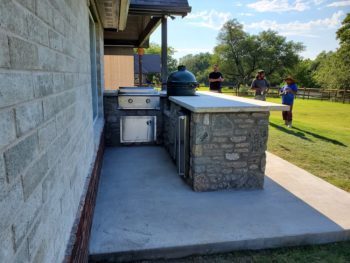
- Outdoor kitchen foundations and structures.
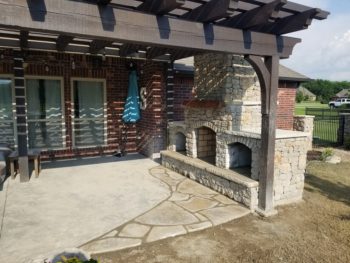
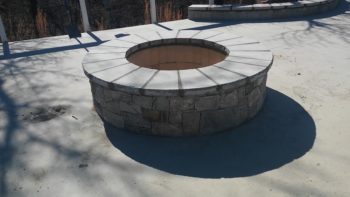
- Fireplace and fire pit installations.
- Other permanent outdoor living features.
For paver patios, proper excavation, base preparation, compaction, edge restraint, and surface drainage are important to long-term performance.
The patio should also be designed around how the homeowner plans to use it. A dining area may need space for a table and chairs, while an outdoor kitchen requires room for cooking equipment, preparation areas, and safe circulation.
If a pergola, pavilion, outdoor fireplace, or kitchen is part of the project, its foundation, utilities, clearances, and construction sequence should be coordinated with the hardscape installation.
Completing these features before installing delicate plants and finished lawn areas helps reduce the chance of construction equipment damaging the landscape.
Step 6: Install Outdoor Kitchens, Fireplaces, Pergolas, and Other Features
Outdoor living features can transform a backyard into a more functional extension of the home.
An outdoor kitchen provides space for preparing meals and entertaining. A fireplace or fire pit creates a gathering area, while a pergola or pavilion can provide shade and help define the outdoor living space.
These features should be positioned according to the overall design, access requirements, prevailing site conditions, and intended use.
For example, an outdoor kitchen should have convenient access to the home and sufficient space for food preparation, seating, and movement. A fireplace should be positioned with appropriate clearances and according to applicable fire and building requirements.
Pergolas and pavilions should be designed for their intended loads and site conditions, with appropriate foundations and structural connections.
Not every project requires all these features. The goal is to select improvements that complement the home and fit the homeowner’s lifestyle.
Coordinating them during the design stage helps prevent costly changes after construction begins.
Step 7: Install Landscape Lighting and Coordinate Electrical Work
Landscape lighting is often most effective when it is planned alongside the rest of the landscape rather than added as an afterthought.
Lighting can illuminate walkways, highlight trees and planting beds, accent stone features, and improve visibility around outdoor living spaces.
Popular applications include:
- Pathway lighting.
- Accent lighting for trees and architectural features.
- Patio and outdoor kitchen lighting.
- Lighting near steps and changes in elevation.
- Decorative lighting around pergolas and gathering areas.
Some electrical work and conduit installation may need to happen earlier in the construction process, before patios, walls, or planting beds are finished. Final fixtures and aiming can often be completed later.
Electrical installations should be performed by appropriately qualified professionals and meet applicable electrical and safety requirements.
Thoughtful lighting design helps connect the different parts of the property into one cohesive outdoor environment.
Step 8: Install Plants, Trees, Shrubs, and Landscape Beds
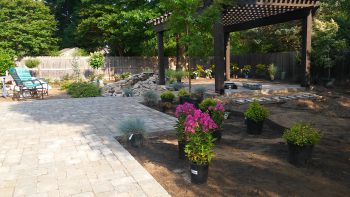
Once the major construction and heavy equipment work is complete, planting and landscape bed installation can proceed.
Plant selection should consider Tulsa’s climate, sunlight, soil conditions, available water, mature plant size, and maintenance requirements.
A successful planting plan includes more than choosing attractive plants. It considers how the landscape will look as plants mature and how they will interact with nearby structures, walkways, utilities, and other plantings.
Landscape installation may include:
- Trees and ornamental trees.
- Shrubs and evergreen plants.
- Perennial flowers and ornamental grasses.
- Foundation planting.
- Decorative landscape beds.
- Mulch or decorative stone.
- Ground covers and other suitable plantings.
Proper spacing is important. Plants installed too close together may eventually crowd one another, block windows, interfere with walkways, or require unnecessary pruning.
Planting after major construction also reduces the risk of damaging new vegetation with excavation equipment and material deliveries.
The best planting schedule depends on the plant species, season, weather, and site conditions.
Step 9: Install Sod or Complete Lawn Improvements
If your project includes new sod, lawn renovation, or other turf improvements, the timing should be coordinated with grading, drainage, construction traffic, and the planting plan.
The ground should be properly prepared before sod installation. Soil condition, grading, and irrigation needs should be evaluated so that the new lawn has a suitable environment for establishment.
Installing sod too early can create problems if construction equipment subsequently damages the lawn or if additional grading is required.
The appropriate timing depends on the turf type, season, weather, and the condition of the property.
Once installed, new sod needs suitable watering and establishment care according to the turf variety and current conditions.
Step 10: Complete Final Inspections and Establish a Maintenance Plan
Before considering the project complete, walk through the property and review the finished installation.
Check that patios and walkways are accessible, drainage provisions are functioning as intended, landscape lighting operates correctly, and planting areas have been properly finished.
Confirm that the completed work matches the agreed project scope and identify any items that need attention.
It is also helpful to establish a maintenance plan that covers:
- Watering newly installed plants and sod.
- Pruning and seasonal plant care.
- Mulch or decorative stone maintenance.
- Cleaning patios and outdoor living surfaces.
- Checking drainage areas after significant rainfall.
- Maintaining outdoor kitchen and fire features according to their manufacturers’ instructions.
- Inspecting landscape lighting and other installed systems.
Landscaping is a living, changing part of the property. Proper maintenance helps preserve the appearance and function of the finished outdoor space.
What Is the Best Order for a Complete Landscaping Project?
For many comprehensive landscaping projects, the general sequence is:
- Landscape design and site evaluation.
- Drainage planning and grading strategy.
- Site preparation and utility coordination.
- Retaining walls and major structural work.
- Patios, pavers, walkways, and hardscaping.
- Outdoor kitchens, fireplaces, pergolas, and other constructed features.
- Final lighting installation and coordinated electrical work.
- Planting beds, trees, shrubs, and other landscaping.
- Sod and lawn installation.
- Final inspections and maintenance planning.
This is a general guide, not a universal construction schedule. Some tasks must overlap, and the exact sequence can change based on site conditions, materials, permits, weather, and project design. Underground work, for example, should be coordinated well before the areas above it are permanently finished.
The most important principle is to plan the entire project before completing the individual parts.
Planning a Landscaping Project in Tulsa, Oklahoma?
Whether you are updating your front yard, installing a paver patio, building an outdoor kitchen, correcting drainage problems, or planning a complete backyard transformation, the right sequence of work can make a substantial difference.
Everything Outdoors of Tulsa provides landscape design and installation, hardscaping, patios, pavers, retaining walls, drainage solutions, outdoor kitchens, fireplaces, fire pits, pergolas, landscape lighting, and other outdoor living improvements.
We serve homeowners throughout Tulsa and surrounding Northeast Oklahoma communities, including Jenks, Owasso, Bixby, and Broken Arrow.
If you are considering a landscaping project, start with a plan that considers the entire property, from drainage and construction to planting and finishing details.
Contact Everything Outdoors of Tulsa to discuss your landscape design, installation, and outdoor living goals.
A well-planned outdoor space can be more attractive, more functional, and better suited to the way you want to enjoy your home.
Ready to improve your backyard? Contact a professional patio installation contractor serving Tulsa, Owasso, Jenks, Bixby, Broken Arrow, and surrounding communities to discuss your project and create a custom outdoor living space for your Oklahoma home.
Call 918-236-9173 today to schedule a consultation!
 Previous Post