Why Proper Drainage Is Your Foundation’s Best Friend In Tulsa.
Protect Your Tulsa Home: Why Drainage is Your Foundation’s Best Friend
Living in Tulsa means enjoying beautiful seasons, from vibrant springs to cozy winters. However, our local weather also brings unique challenges for homeowners. Intense spring downpours, clay-heavy soil, and dramatic temperature swings can team up to create serious water problems around your property. If you’ve ever noticed pooling water in your yard or a damp smell in your crawlspace, your home might be signaling a need for better drainage.
Properly installed French drains and downspout drains are more than just a way to dry out a soggy lawn; they are a critical defense system for your home’s structural integrity. This guide will walk you through what these systems are, why they are so important in the Tulsa area, and how they protect your most valuable asset from costly water damage. We’ll cover everything from identifying warning signs to understanding the installation process, helping you make informed decisions for a healthier, more stable home.
Understanding Yard Drainage: French Drains vs. Downspout Drains
Before diving into the benefits, let’s clarify what these systems do. While they both manage water, they solve different problems.
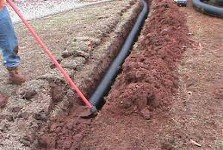
- French Drains: A French drain is essentially a gravel-filled trench containing a perforated pipe. Its job is to collect and redirect subsurface water—the moisture that soaks into the ground and gets trapped. It’s the go-to solution for widespread yard saturation and protecting foundations from underground water pressure.
- Downspout Drains: These are solid, non-perforated pipes that connect directly to your home’s gutter downspouts. Their purpose is simple: to carry the massive volume of water from your roof far away from your foundation. Without them, all that water dumps right at the corners of your house, causing significant problems over time.
Why Tulsa Homes Are Uniquely Vulnerable to Water Issues
Managing water is a universal homeowner concern, but several factors make it a top priority in Tulsa and the surrounding Green Country.
- Clay-Heavy Soils: Much of our region is built on dense clay soil. Unlike sandy or loamy soils that drain quickly, clay acts like a sponge. It absorbs water slowly and holds onto it, creating a saturated, muddy mess. This trapped water exerts immense pressure on anything in its path, including your foundation.
- Intense Spring Storms: Tulsans are no strangers to powerful spring thunderstorms that can drop several inches of rain in a short period. Your gutters and yard can be overwhelmed, leading to rapid pooling and potential water intrusion.
- Freeze-Thaw Cycles: Oklahoma winters can bring fluctuating temperatures. When the water-logged clay soil freezes, it expands. When it thaws, it contracts. This constant movement can cause soil to shift, leading to cracks in foundations, driveways, and patios.
Key Benefits of a Professional Drainage System
Installing a well-designed drainage system isn’t just an expense; it’s an investment in your home’s longevity and your peace of mind. Here are the most significant advantages.
1. Protects Your Foundation from Damage
This is the number one reason to invest in yard drainage solutions in Tulsa. Constant exposure to water softens the soil around and under your foundation. This can lead to settling, shifting, and cracking. A French drain alleviates hydrostatic pressure (the force of water pushing against your foundation walls), keeping the soil stable and your foundation secure. This is crucial for all foundation types, including slab-on-grade, pier and beam, and basements with stem walls.
2. Keeps Basements and Crawlspaces Dry
A damp, musty crawlspace or basement is a classic sign of poor drainage. Moisture seeping through concrete walls or rising from the ground creates a perfect environment for mold, mildew, and wood rot. A French drain system, sometimes installed around the interior or exterior perimeter of a crawlspace, intercepts this water and channels it away, ensuring the space under your home stays dry and healthy.
3. Prevents Soil Erosion
Heavy rain, especially when directed off a roof, can wash away topsoil and landscaping. Downspout drains prevent this by capturing that concentrated flow and releasing it safely in a controlled location, preserving your yard’s grade and protecting your plant beds.
4. Preserves Patios, Walkways, and Driveways
Water is a powerful force that can undermine hardscapes. Water pooling under concrete or paver patios can cause them to sink, heave, or crack. A properly placed drain can intercept water before it reaches these areas, extending the life of your expensive outdoor living spaces.
5. Reduces Mosquitoes and Other Pests
Standing water is a breeding ground for mosquitoes. By eliminating soggy spots and puddles in your yard, you make your property less inviting to these and other pests that thrive in damp conditions, like termites and roaches.
Signs Your Home Needs a Drainage Upgrade
How do you know if you have a problem? Your house will give you clues. Look out for these common warning signs:
- Pooling Water: Puddles that remain in your yard or against your house 24-48 hours after rain.
- Damp Crawlspace or Basement: A musty smell, visible moisture on walls, or a damp feeling in the air.
- Efflorescence: A white, powdery residue on concrete or brick walls, which is left behind by evaporating water.
- Cracks in Foundation or Walls: Vertical or stair-step cracks in brick or foundation walls can indicate soil movement due to moisture.
- Sticking Doors or Windows: Doors and windows that suddenly become difficult to open or close can be a sign that your foundation is shifting.
- A Soggy, Unusable Yard: If parts of your lawn are consistently marshy, a drainage system can help reclaim that space.
The Right Drain for the Job: Surface vs. French Drains
Sometimes, a French drain isn’t the right answer. If your problem is primarily surface water that flows across the yard, a surface drain (like a catch basin) might be more effective.
- Use a French Drain for: Widespread, saturated ground and subsurface water pressure against a foundation. It works like a sponge to dry out a large area.
- Use a Surface Drain for: Collecting water from low spots in the landscape, driveways, or at the bottom of a slope. It works like a sink drain to quickly remove pooling surface water.
Often, a comprehensive system uses both. For example, a catch basin might be placed in a low spot and tied into a solid pipe that connects to the main French drain outfall line.
Getting the Details Right: Installation Best Practices
A drainage system is only as good as its installation. Here are key components and considerations for a professional job:
- Quality Materials: A reliable system uses perforated SDR or HDPE pipe (strong and crush-resistant), non-woven geotextile filter fabric to prevent clogging, and clean, washed gravel that allows water to flow freely.
- Downspout Integration: Your downspouts should be connected to solid, buried drain lines using proper adapters. These lines should run to daylight on a slope or terminate in a “pop-up emitter,” which sits flush with the lawn and opens under water pressure to release water.
- The Right Slope: Gravity is your friend. The trenches and pipes must have a consistent, positive slope (at least 1%) to keep water moving toward the exit point.
- Smart Routing: An experienced installer will know how to route trenches to avoid major tree roots and locate underground utility lines before digging.
- Code and Courtesy: Drains must terminate in a safe and legal location. It’s against municipal code in Tulsa to discharge water directly onto a neighbor’s property or across a public sidewalk. The water should be released at the curb, into a storm drain, or in a safe area on your own property.
Common (and Costly) Installation Mistakes to Avoid
A poorly installed drain can be worse than no drain at all. Watch out for these shortcuts:
- Skipping the Filter Fabric: Without fabric, silt and soil will quickly clog the gravel and pipe, rendering the system useless.
- Using the Wrong Gravel: Gravel mixed with sand or “fines” will compact and prevent water from entering the pipe.
- Tying Roof Water into a French Drain: Downspouts should connect to a solid pipe. Tying them into the perforated French drain pipe will overwhelm the system and force roof water into the surrounding soil—the exact problem you’re trying to solve.
- No Clean-Outs: Strategically placed clean-outs allow for future maintenance and flushing of the system.
- Inadequate Outfall: The system must have a place for the water to go. A pipe that terminates in a flat or uphill area will simply back up.
Maintenance, Cost, and Return on Investment
Maintenance: A well-built system is low-maintenance.
- Annually inspect and clear debris from downspout connections and pop-up emitters.
- Ensure leaf guards on your gutters are working to minimize debris entering the pipes.
- Every few years, you may need a professional to flush the lines from the clean-out ports.
Cost: The cost of a Tulsa French drain or downspout drain system varies widely based on factors like the length and depth of the trench, soil conditions, accessibility, and the need to navigate obstacles like tree roots or utilities. A simple downspout extension might cost a few hundred dollars, while a comprehensive French drain system around a home could range from $5,000 to $15,000 or more.
Return on Investment (ROI): While the upfront cost may seem high, consider the alternative. Foundation repair in Oklahoma can easily cost tens of thousands of dollars. Mold remediation can be similarly expensive and disruptive. A properly installed drainage system is a proactive investment that prevents these catastrophic expenses, protecting your property value and giving you peace of mind every time it rains.
Take the Next Step to a Drier, Healthier Home
Don’t let Tulsa’s clay soil and heavy rains compromise your home. By understanding the signs of poor drainage and the powerful benefits of a professional system, you can protect your foundation, landscape, and health. If you see any of the warning signs discussed, it’s time to act.
Ready to protect your investment? Contact a local foundation drainage expert for a professional evaluation of your property. A specialist can assess your specific needs and design a custom yard drainage solution that will keep your home safe and dry for years to come.
Common Signs of Poor Drainage
Identifying poor drainage early can save you from costly repairs and potential hazards. Watch for these common signs around your property:
- Standing Water: Pools of water in your yard after rainstorms indicate improper drainage and can lead to soggy soil and dead grass.
- Foundation Cracks: Excess water around your foundation can cause cracks, which may compromise the structural integrity of your home.
- Basement Dampness: A damp or musty-smelling basement is often a result of inadequate drainage directing water toward your home.
- Erosion: Washed-away soil in your landscaping or yard could signal that water isn’t being channeled effectively.
- Mold or Mildew Growth: Persistent moisture creates the ideal environment for mold and mildew to thrive, which poses health risks for your family.
By addressing these issues promptly, you can ensure your property remains stable and secure, while avoiding larger problems down the road.