Tulsa Landscape Design: Climate-Smart Plants & Sustainable Tips
Mastering Landscape Design in Tulsa: Your Complete Guide
Creating a beautiful landscape in Tulsa, Oklahoma requires more than just picking pretty plants. The unique climate, soil conditions, and regional characteristics of Green Country demand a thoughtful approach to outdoor design. Whether you’re a new homeowner or looking to refresh your existing landscape, understanding Tulsa’s specific environmental factors will help you create a thriving, sustainable outdoor space.
Tulsa’s location in northeastern Oklahoma presents both opportunities and challenges for landscape enthusiasts. The city experiences a humid subtropical climate with hot summers, mild winters, and distinct seasonal changes that dramatically impact plant selection and garden maintenance. Smart landscape design here means working with nature, not against it.
Understanding Tulsa’s Unique Climate Conditions
Tulsa sits in USDA Hardiness Zone 7a, which means winter temperatures typically range from 0°F to 5°F. This zone designation influences every aspect of your landscaping decisions, from tree selection to planting schedules.
The city receives approximately 40 inches of rainfall annually, with peak precipitation occurring in late spring and early summer. However, Tulsa also experiences periodic droughts, particularly in late summer and early fall. These weather patterns create a feast-or-famine water cycle that your landscape design must accommodate.
Summer temperatures frequently reach the upper 90s with high humidity, creating challenging conditions for both plants and homeowners. The heat island effect in urban areas can push temperatures even higher, making heat tolerance a critical factor in plant selection.
Winter weather brings occasional ice storms and freezing rain, which can damage trees and shrubs not adapted to these conditions. Wind is another significant factor, with spring storms and occasional severe weather events that can stress or damage improperly chosen or positioned plants.
Soil Characteristics That Shape Your Landscape
Tulsa’s soil composition varies significantly across the metro area, but clay soil predominates in many neighborhoods. This heavy clay presents both benefits and challenges for landscape design.
Clay soil retains moisture well during wet periods but becomes rock-hard when dry, creating drainage issues and making it difficult for plant roots to penetrate. The soil’s high pH levels, typically ranging from 7.0 to 8.0, also affect nutrient availability for plants.
Many areas of Tulsa have shallow topsoil over dense clay or even rocky subsoil. This condition requires careful consideration when selecting trees and deep-rooted plants. Poor drainage in clay soil can lead to root rot in plants that prefer well-draining conditions.
However, clay soil isn’t entirely problematic. Once amended properly, it can provide excellent nutrition for plants and retain moisture during dry spells. The key lies in understanding how to work with these conditions rather than fighting them.
Plant Selections That Thrive in Tulsa
Successful Tulsa landscapes feature plants that can handle temperature extremes, variable moisture conditions, and clay soil. Native and adapted plants offer the best performance with minimal maintenance.
Trees for Tulsa Landscapes
Red Oak and Post Oak are excellent native choices that provide beautiful fall color and can handle both drought and occasional flooding. These trees develop deep root systems that help them access water during dry periods while tolerating wet conditions.
Eastern Redbud offers stunning spring blooms and adapts well to various soil conditions. Its moderate size makes it perfect for smaller yards or as an understory tree in larger landscapes.
Bald Cypress, though not native to Tulsa, adapts remarkably well to the area’s conditions. These trees handle wet and dry periods equally well and provide unique texture with their needle-like foliage.
For evergreen options, consider Eastern Red Cedar, which tolerates drought, poor soil, and extreme temperatures. Loblolly Pine also performs well in Tulsa’s climate and provides year-round screening.
Shrubs That Excel in Green Country
Native shrubs like Spicebush and Fragrant Sumac provide excellent foundation plantings that require minimal care once established. These plants offer seasonal interest through flowers, berries, or fall color.
Yaupon Holly creates excellent hedges and tolerates both sun and partial shade. Its small berries attract birds, adding wildlife value to your landscape.
For flowering shrubs, consider native Azaleas and Oakleaf Hydrangeas. These plants bloom reliably in Tulsa’s conditions and provide structure to mixed plantings.
Perennial and Annual Options
Native wildflowers like Purple Coneflower, Black-Eyed Susan, and Blanket Flower create colorful displays while requiring minimal water and care. These plants often self-seed, creating natural drifts over time.
For shaded areas, Wild Ginger and Coral Bells provide interesting foliage and adapt to various moisture levels. These perennials work well under trees or on the north side of buildings.
Annual flowers can provide season-long color, but choose heat-tolerant varieties like Zinnia, Marigold, and Vinca that can handle Tulsa’s intense summer heat.
Design Trends Perfect for Tulsa
Contemporary Tulsa landscapes embrace several design trends that work particularly well with the local climate and lifestyle preferences.
Prairie and Meadow Gardens
The prairie garden movement has gained significant traction in Tulsa, and for good reason. These landscapes celebrate native plants while requiring minimal maintenance once established. Prairie gardens typically feature ornamental grasses mixed with native wildflowers, creating movement and seasonal interest.
Buffalo Grass and Little Bluestem provide excellent alternatives to traditional turf while requiring far less water and maintenance. These grasses develop deep root systems that help them survive drought conditions.
Rain Gardens and Bioswales
Given Tulsa’s variable rainfall patterns, rain gardens have become increasingly popular. These designed depressions capture and filter stormwater runoff while supporting plants that can handle both wet and dry conditions.
Rain gardens typically feature native plants like Blue Flag Iris, Cardinal Flower, and Swamp Milkweed that thrive in temporarily wet conditions but also tolerate drought.
Outdoor Living Spaces
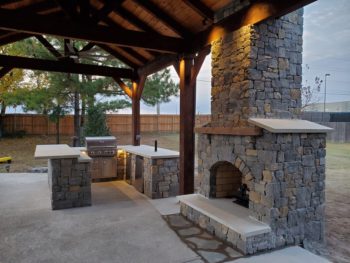
Tulsa’s moderate springs and falls make outdoor entertaining spaces highly desirable. Patios, fire pits, and outdoor kitchens extend living space while reducing the area requiring intensive plant care.
These hardscape elements work particularly well in clay soil areas where drainage issues might complicate planting. They also provide structure and year-round interest in the landscape.
Creating Sustainable, Low-Maintenance Landscapes
Sustainability in Tulsa landscaping means designing systems that work with natural processes while minimizing resource inputs.
Water-Wise Design Strategies
Group plants with similar water needs together to maximize irrigation efficiency. Place drought-tolerant plants in naturally drier areas while reserving regular watering for high-visibility or high-use areas.
Install drip irrigation systems rather than overhead sprinklers to reduce water waste and minimize disease issues. Smart controllers that adjust watering based on weather conditions can reduce water use by 20-50%.
Consider permeable paving materials for walkways and patios. These surfaces allow rainwater to infiltrate rather than creating runoff that can cause erosion or flooding.
Soil Improvement Techniques
Rather than replacing clay soil entirely, focus on gradual improvement through organic matter addition. Compost, aged manure, and leaf mold can improve soil structure over time.
Avoid working clay soil when it’s wet, as this can create hardpan conditions that severely limit plant growth. Wait until soil crumbles in your hand rather than forming a ball.
Consider raised beds or berms in areas with severe drainage issues. These elevated planting areas improve drainage while providing better growing conditions for a wider range of plants.
Integrated Pest Management
Choose plants that naturally resist local pest problems. Native plants typically have fewer pest issues than exotic species because they’ve evolved alongside local insects and diseases.
Encourage beneficial insects by including plants that provide nectar and pollen throughout the growing season. Native plants like Bee Balm, Coneflowers, and native Asters support pollinators while requiring minimal care.
The Value of Local Expertise
Working with landscape professionals who understand Tulsa’s specific conditions can save both money and frustration in the long run. Local experts understand microclimates, soil variations, and regulatory requirements that affect landscape installation and maintenance.
Finding Qualified Professionals
Look for landscape designers and contractors who are familiar with native plants and sustainable design principles. Ask for examples of projects that have been in place for several years to see how designs mature over time.
Consider professionals who are certified through organizations like the Oklahoma Certified Nursery Professional program or who have specific training in sustainable landscaping practices.
Municipal Resources and Regulations
The City of Tulsa offers various resources for homeowners, including rebate programs for water-efficient landscaping and native plant installations. Check current programs that might offset the cost of sustainable landscape improvements.
Understand local regulations regarding tree removal, stormwater management, and setback requirements before beginning major landscape projects. These regulations exist to protect both individual properties and the broader community.
Seasonal Maintenance Considerations
Successful Tulsa landscapes require different care throughout the year, with timing being crucial for plant health and resource efficiency.
Spring maintenance focuses on pruning, fertilizing, and preparing irrigation systems. This is also the best time for major planting projects, as plants have the entire growing season to establish before winter.
Summer care emphasizes water management and pest monitoring. Deep, infrequent watering encourages deep root development, while regular monitoring helps catch problems before they become serious.
Fall provides opportunities for planting and landscape improvements. The mild temperatures and increased rainfall create ideal conditions for plant establishment. This is also the time to prepare irrigation systems for winter and complete major maintenance tasks.
Winter maintenance in Tulsa is relatively minimal but includes protecting tender plants from ice damage and planning for the coming year’s improvements.
Your Path to Landscape Success
Creating a beautiful, sustainable landscape in Tulsa requires understanding and working with the area’s unique environmental conditions. By choosing appropriate plants, implementing water-wise design strategies, and working with local experts when needed, you can create an outdoor space that enhances your property value while supporting local ecosystems.
Start with a clear plan that considers your site’s specific conditions, your maintenance preferences, and your long-term goals. Focus on gradual improvements rather than trying to transform your entire landscape at once. This approach allows you to learn what works best on your specific site while spreading costs over time.
Remember that successful landscaping is a marathon, not a sprint. The most beautiful and sustainable Tulsa landscapes are those that have been thoughtfully developed and maintained over years, creating outdoor spaces that truly reflect the unique character of Green Country.