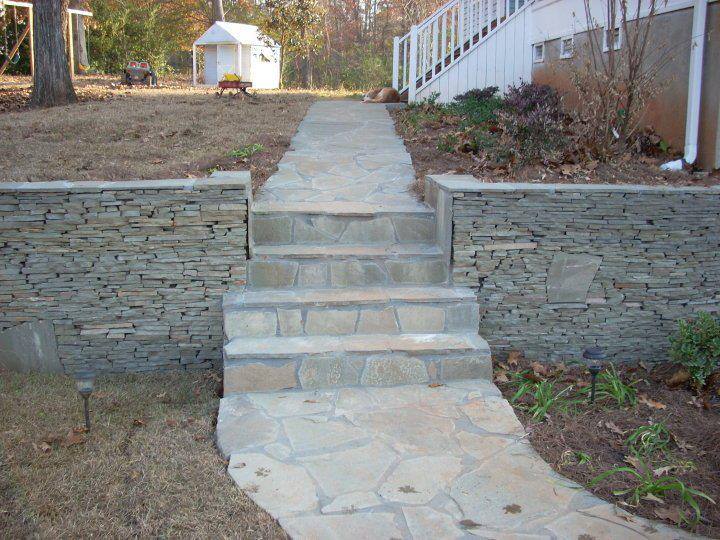
Retaining Wall Installation in Tulsa and Broken Arrow, Oklahoma: Everything Homeowners Need to Know
When it comes to improving your property’s appearance, preventing soil erosion, and creating usable outdoor living spaces, few landscaping projects offer as much value as a professionally installed retaining wall. Whether your home sits on a sloped lot in Tulsa or you have drainage concerns in Broken Arrow, a well-built retaining wall can provide both structural support and beautiful curb appeal.
Oklahoma’s unique soil conditions, seasonal rainfall, and changing temperatures make retaining wall construction more than just stacking landscape blocks. Proper engineering, drainage, and installation techniques are essential for creating a wall that will perform reliably for decades.
In this guide, we’ll explain everything homeowners in Tulsa and Broken Arrow should know about retaining wall installation—from benefits and materials to the installation process and maintenance tips.
What Is a Retaining Wall?
A retaining wall is a specially designed structure that holds back soil and stabilizes changes in elevation. Instead of allowing dirt to slide downhill, a retaining wall creates a strong barrier that safely supports the surrounding landscape.
Retaining walls are commonly installed to:
- Prevent soil erosion
- Control water runoff
- Create level outdoor spaces
- Improve landscape design
- Protect foundations
- Build raised flower beds
- Increase usable backyard space
Modern retaining walls combine structural strength with attractive design, making them one of the most valuable outdoor improvements for Oklahoma homeowners. Proper drainage and quality materials are critical because retaining walls must resist constant soil pressure and moisture.
Why Retaining Walls Are Popular in Tulsa and Broken Arrow
Many neighborhoods throughout Tulsa and Broken Arrow feature rolling terrain, sloped lots, and clay-heavy soils. These conditions can create challenges for homeowners, including:
- Soil washing away after heavy rain
- Standing water
- Uneven landscaping
- Difficult lawn maintenance
- Foundation concerns
- Limited outdoor living space
A professionally designed retaining wall helps solve these problems while adding visual appeal to the property.
Additionally, Oklahoma’s expansive clay soils can swell when wet and shrink during dry periods, increasing pressure on retaining walls. That makes proper base preparation, drainage, and reinforcement especially important.
Benefits of Installing a Retaining Wall
Prevent Soil Erosion
Heavy Oklahoma thunderstorms can quickly wash away loose soil, especially on sloped properties.
A retaining wall stabilizes the landscape by holding soil in place, reducing erosion and protecting your lawn, landscaping, and foundation.
Improve Drainage
One of the biggest reasons retaining walls fail is poor drainage—not poor materials.
Professional installers incorporate drainage systems behind the wall that safely redirect water and reduce hydrostatic pressure.
Proper drainage helps prevent:
- Wall movement
- Cracking
- Leaning
- Water damage
- Soil saturation
Create More Functional Outdoor Space
Many homeowners don’t realize how much usable yard they lose because of steep slopes.
Retaining walls can transform unusable hillsides into:
- Flat play areas
- Outdoor kitchens
- Fire pit spaces
- Patios
- Garden terraces
- Entertainment areas
Increase Property Value
Professional landscaping consistently ranks among the highest-return home improvements.
Retaining walls enhance:
- Curb appeal
- Landscape organization
- Outdoor living
- Structural stability
- Overall property aesthetics
Potential buyers appreciate professionally installed hardscaping that requires little maintenance.
Protect Your Home
Retaining walls help direct water away from structures, reducing the risk of:
- Foundation settlement
- Basement moisture
- Landscape washout
- Sidewalk shifting
Types of Retaining Walls
Concrete Block Retaining Walls
Concrete blocks remain one of the most popular choices in Tulsa because they offer:
- Excellent durability
- Attractive appearance
- Multiple colors
- Various textures
- Long lifespan
- Easy maintenance
Segmental retaining wall systems are engineered to interlock while accommodating drainage and reinforcement where needed.
Natural Stone Retaining Walls
Natural limestone and fieldstone provide timeless beauty that complements Oklahoma landscapes.
Advantages include:
- Natural appearance
- Exceptional durability
- Unique character
- Weather resistance
- High-end curb appeal
Boulder Retaining Walls
Large natural boulders create rustic landscapes that blend beautifully into larger properties.
These walls work especially well for:
- Acreage properties
- Drainage channels
- Hillsides
- Natural landscaping
Timber Retaining Walls
Pressure-treated timber walls offer an economical solution for shorter walls.
While attractive initially, they generally have a shorter lifespan than concrete or stone because wood can deteriorate over time.
The Retaining Wall Installation Process
Professional retaining wall construction involves much more than stacking blocks.
Step 1: Site Evaluation
Contractors assess:
- Soil conditions
- Existing drainage
- Slope
- Utilities
- Property layout
Step 2: Design
Every retaining wall should be designed according to:
- Wall height
- Soil pressure
- Drainage requirements
- Landscape goals
- Local building requirements
Step 3: Excavation
The installation begins by excavating the wall location to establish a stable foundation.
A properly compacted gravel base is essential for long-term stability.
Step 4: Drainage Installation
Drainage systems often include:
- Gravel backfill
- Perforated drain pipe
- Drain outlets
- Filter fabric
These components help move water away from the wall and reduce pressure behind it.
Step 5: Wall Construction
Installers carefully level each course while maintaining proper alignment.
For taller walls, reinforcement materials such as geogrid may be incorporated to improve structural performance.
Step 6: Final Grading and Cleanup
The final step includes:
- Backfilling
- Soil grading
- Landscape restoration
- Cleanup
- Final inspection
Signs You Need a Retaining Wall
You may benefit from a retaining wall if your property has:
- Sloped terrain
- Soil erosion
- Drainage issues
- Washed-out landscaping
- Uneven backyard areas
- Foundation runoff concerns
- Hillside gardens
- Cracked landscape borders
Addressing these issues early can prevent more extensive repairs later.
Choosing the Right Material
Selecting the right retaining wall material depends on several factors:
Budget
Concrete blocks often provide an excellent balance of affordability and durability.
Appearance
Natural stone offers a premium, timeless look.
Maintenance
Concrete and stone typically require less maintenance than timber.
Wall Height
Taller walls may require engineered designs and reinforced construction depending on local regulations and site conditions.
Retaining Wall Maintenance Tips
Fortunately, retaining walls require minimal upkeep.
Recommended maintenance includes:
- Inspect after heavy storms
- Remove weeds growing in joints
- Keep drainage outlets clear
- Watch for leaning or settlement
- Replace damaged blocks promptly
- Avoid planting large trees too close to the wall
Routine inspections help identify small problems before they become major repairs.
Why Professional Installation Matters
DIY retaining walls often fail because critical engineering principles are overlooked.
Professional installers understand:
- Soil pressure
- Drainage systems
- Base preparation
- Proper compaction
- Reinforcement methods
- Local building codes
An improperly built wall may lean, crack, or fail prematurely, potentially causing costly damage to surrounding landscaping and structures.
Why Homeowners in Tulsa and Broken Arrow Invest in Retaining Walls
Retaining walls are one of the smartest landscape improvements for Oklahoma properties. They provide long-term structural support while enhancing the beauty and functionality of your outdoor space.
Whether you’re looking to prevent erosion, improve drainage, create a level backyard, or increase your home’s curb appeal, a professionally installed retaining wall is an investment that delivers lasting value.
With quality materials, proper drainage, and expert construction, your retaining wall can withstand Oklahoma’s changing weather conditions for many years while transforming your property into a safer, more attractive, and more enjoyable place to live.
Ready to improve your backyard? Contact a professional patio installation contractor serving Tulsa, Owasso, Jenks, Bixby, Broken Arrow, and surrounding communities to discuss your project and create a custom outdoor living space for your Oklahoma home.
Call 918-236-9173 today to schedule a consultation!
 Previous Post
 Next Post