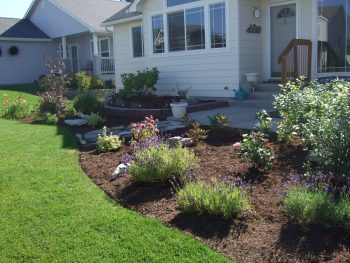
Updating Your Landscaping In Owasso & Broken Arrow, Oklahoma
Transform Your Outdoor Space: Landscaping Updates for Broken Arrow and Owasso
Spring is here, and your yard is calling for attention. Whether you’ve lived in Broken Arrow or Owasso for years or recently moved to these thriving Oklahoma communities, updating your landscaping can transform your property into a stunning outdoor oasis. These neighboring cities share unique environmental characteristics that create both opportunities and challenges for homeowners looking to refresh their landscapes.
Your outdoor space should reflect the natural beauty of northeastern Oklahoma while serving your family’s needs. With the right approach, you can create a landscape that thrives in the local climate, supports native wildlife, and becomes your favorite place to unwind after a long day.
This guide will walk you through everything you need to know about updating your landscaping in Broken Arrow and Owasso, from understanding local growing conditions to selecting the perfect plants for your space.
Understanding Your Local Growing Environment
Climate Characteristics
Broken Arrow and Owasso sit in USDA Hardiness Zone 7a, which means you’ll experience moderate winters with occasional ice storms and hot, humid summers. The average annual rainfall ranges from 35 to 40 inches, with most precipitation occurring during spring and fall months.
Summer temperatures regularly climb into the 90s, while winter lows can dip into the teens. This climate pattern creates a long growing season that extends from mid-March through late October, giving you plenty of time to establish new plantings and enjoy your outdoor space.
The humidity levels during summer months can stress certain plant varieties, making it essential to choose species that can handle both heat and moisture. Conversely, winter ice storms can damage trees and shrubs that aren’t adapted to these conditions.
Soil Conditions
Most properties in Broken Arrow and Owasso feature clay-based soils that retain moisture well but can become compacted easily. This soil type provides excellent nutrient retention but requires specific management techniques to ensure proper drainage and root development.
Clay soils expand when wet and contract when dry, which can stress plant roots and create uneven surfaces in your landscape. The good news is that clay soils are naturally fertile and respond well to organic amendments.
Before starting any major landscaping project, consider having your soil tested. The Tulsa County Extension Office can provide soil testing services that will reveal your soil’s pH level, nutrient content, and composition. This information helps you select plants that will thrive in your specific conditions and identify any amendments needed to improve soil structure.
Native Plants That Shine in Your Landscape
Trees for Structure and Shade
Bur Oak (Quercus macrocarpa) stands as one of the most reliable shade trees for your area. These majestic oaks grow slowly but steadily, eventually reaching 60 to 80 feet tall. They handle drought conditions exceptionally well once established and provide spectacular fall color.
Eastern Redbud (Cercis canadensis) offers beautiful spring blooms and heart-shaped leaves that turn golden in fall. These smaller trees work perfectly as understory plantings or focal points in smaller yards, typically reaching 20 to 30 feet at maturity.
Chinkapin Oak (Quercus muehlenbergii) provides excellent wildlife value while tolerating alkaline soils common in your area. The acorns feed local wildlife, and the tree’s moderate size makes it suitable for most residential properties.
Shrubs for Structure and Interest
Aromatic Sumac (Rhus aromatica) creates excellent groundcover on slopes while producing small yellow flowers in early spring. This native shrub spreads naturally and requires minimal maintenance once established.
American Beautyberry (Callicarpa americana) produces clusters of bright purple berries in fall that persist into winter, providing food for birds and visual interest when many other plants look dormant.
Spicebush (Lindera benzoin) thrives in partially shaded areas and produces small yellow flowers in early spring before the leaves emerge. The bright yellow fall foliage creates stunning seasonal displays.
Perennials for Color and Texture
Purple Coneflower (Echinacea purpurea) blooms from summer through fall, attracting butterflies and goldfinches to your garden. These drought-tolerant perennials self-seed readily, creating natural colonies over time.
Wild Bergamot (Monarda fistulosa) produces fragrant lavender flowers that hummingbirds and butterflies love. This native mint family member spreads gradually and can handle both wet and dry conditions.
Little Bluestem (Schizachyrium scoparium) adds texture and movement to your landscape while providing winter interest with its bronze-colored seed heads. This native grass requires no supplemental watering once established.
Seasonal Maintenance Strategies
Spring Preparation
Start your spring maintenance routine in late February or early March, depending on weather conditions. Begin by removing any winter damage from trees and shrubs, cutting back ornamental grasses, and clearing debris from planting beds.
Apply a 2 to 3-inch layer of organic mulch around trees and shrubs to retain moisture and suppress weeds. Keep mulch several inches away from plant stems to prevent pest and disease issues.
Spring is also the ideal time to divide overcrowded perennials and establish new plantings. The moderate temperatures and increasing daylight hours help plants establish strong root systems before summer heat arrives.
Summer Care
Focus on deep, infrequent watering during summer months rather than frequent shallow watering. This approach encourages deep root development and helps plants withstand drought stress.
Water early in the morning to minimize evaporation and reduce disease pressure. Avoid watering in the evening, as this can promote fungal problems in the humid Oklahoma climate.
Monitor plants for heat stress and provide temporary shade cloth for newly planted specimens if temperatures exceed 95 degrees for extended periods.
Fall Establishment
Fall planting season in your area extends from September through November, offering excellent conditions for establishing new trees and shrubs. The warm soil temperatures combined with decreasing air temperatures create ideal root development conditions.
Continue regular watering until the first hard frost, as plants need adequate moisture to develop strong root systems before winter dormancy.
Leave ornamental grass seed heads and perennial stalks standing through winter to provide wildlife habitat and visual interest during the dormant season.
Winter Protection
Protect tender plants from ice damage by avoiding heavy pruning in late fall. Plants that enter winter with their natural growth are better equipped to handle ice loads.
Apply extra mulch around marginally hardy plants to insulate roots from extreme temperature fluctuations. Remove this extra protection gradually as spring temperatures stabilize.
Contemporary Design Trends That Work
Native Plant Gardens
Creating dedicated native plant gardens has become increasingly popular as homeowners recognize the environmental and maintenance benefits. These gardens require less water, provide wildlife habitat, and offer unique seasonal interest.
Design native gardens in layers, with canopy trees, understory shrubs, and groundcover perennials creating a natural woodland appearance. This approach mimics local ecosystems while providing structure and visual appeal.
Rain Gardens and Bioswales
Managing stormwater runoff has become a priority for many homeowners, leading to increased interest in rain gardens and bioswales. These features capture and filter runoff while creating attractive landscape elements.
Position rain gardens in natural low spots or areas where downspouts discharge water. Plant them with native sedges, rushes, and wildflowers that can handle both wet and dry conditions.
Outdoor Living Spaces
Expanding outdoor living areas continues to trend upward, with homeowners creating spaces that function as outdoor rooms. These areas often feature natural stone patios, outdoor kitchens, and comfortable seating areas surrounded by carefully selected plantings.
Choose plants that provide privacy and seasonal interest without requiring frequent maintenance. Ornamental grasses, native shrubs, and perennials work well in these settings.
Pollinator Gardens
Creating habitat for butterflies, bees, and other pollinators has gained tremendous popularity. These gardens feature plants that provide nectar, pollen, and host sites for beneficial insects.
Select plants that bloom throughout the growing season to provide consistent food sources. Native milkweeds, asters, and goldenrods are particularly valuable for supporting monarch butterflies and other native species.
The Benefits of Landscape Updates
Increased Property Value
Professional landscaping improvements can increase your property value by 5 to 15 percent, making them one of the most cost-effective home improvements available. Mature trees alone can add thousands of dollars to your property’s appraised value.
Well-designed landscapes also improve your home’s marketability, helping it sell faster when you decide to move. Buyers consistently rank attractive landscaping as one of the most important factors in their purchasing decisions.
Environmental Impact
Updated landscaping provides numerous environmental benefits beyond aesthetic appeal. Mature trees can reduce your cooling costs by 20 to 30 percent through strategic shade placement and evapotranspiration.
Native plants require less water and chemical inputs while providing habitat for local wildlife. A single mature oak tree can support over 500 species of butterflies and moths, creating a thriving ecosystem in your own backyard.
Proper landscaping also helps manage stormwater runoff, reducing erosion and protecting local water quality. Plant roots stabilize soil and filter pollutants before they reach groundwater supplies.
Personal Enjoyment and Wellness
Spending time in well-designed outdoor spaces provides measurable health benefits, including reduced stress levels and improved mental clarity. Gardens provide opportunities for physical activity and connection with nature that many people lack in their daily routines.
The process of gardening itself offers therapeutic benefits, with research showing that soil contact can boost serotonin levels and improve mood. Many homeowners find that maintaining their landscapes becomes a favorite hobby that provides year-round satisfaction.
Getting Started with Your Updates
Begin your landscaping updates by assessing your current landscape and identifying areas that need attention. Take photographs from different angles and times of day to understand how your space functions and where improvements would have the greatest impact.
Consider working with local landscape professionals who understand the unique growing conditions in Broken Arrow and Owasso. They can help you develop a master plan that phases improvements over time, allowing you to spread costs while ensuring all elements work together cohesively.
Start with foundation plantings and shade trees, as these provide the greatest long-term value and impact. Add color and seasonal interest through perennials and annuals once your basic structure is established.
Remember that successful landscaping is a long-term investment that improves with time. The plants you install today will provide decades of beauty and benefits for your family and your community.
Your updated landscape will become a source of pride and enjoyment while supporting the natural beauty that makes Broken Arrow and Owasso such wonderful places to call home. Take the first step toward transforming your outdoor space, and discover how the right landscaping changes can enhance every aspect of your property.